
Raw Vs Graded Pokemon Card Value: What Actually Changes?
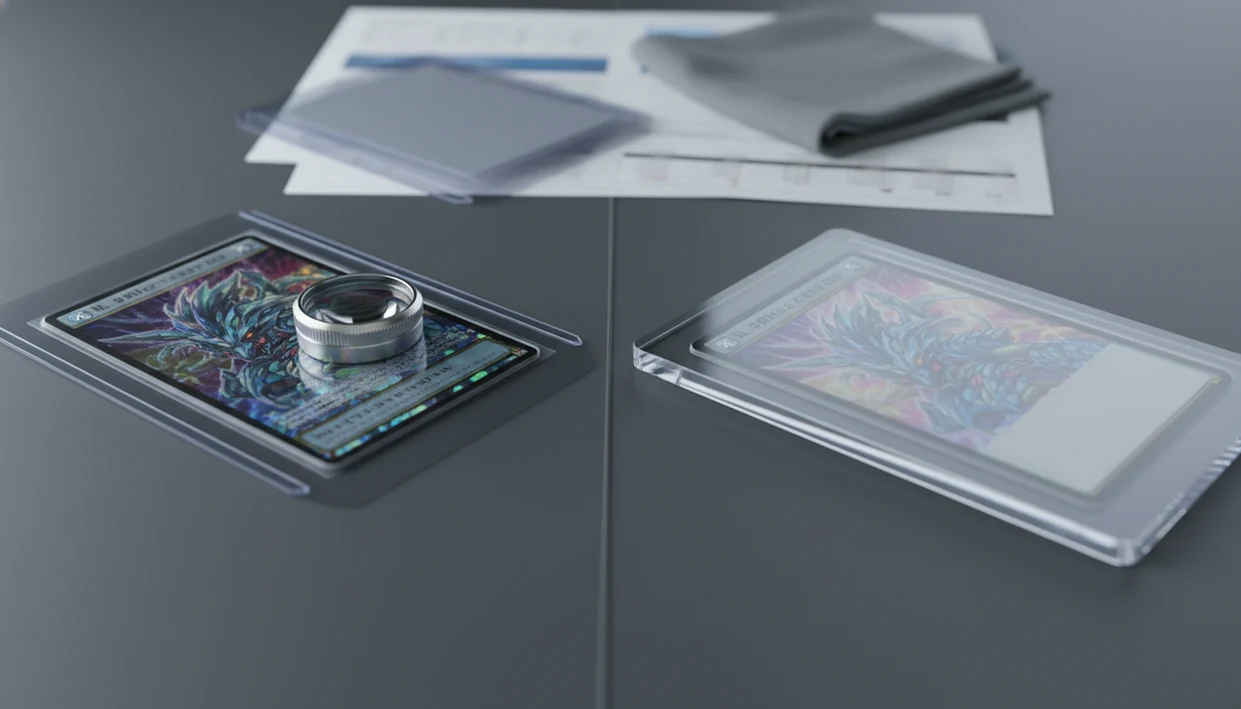
Raw vs graded pokemon card value changes because a loose card is priced on estimated condition and raw sold comps, while a PSA, BGS, or CGC slab is priced on a verified numerical grade, buyer trust, grading costs, population, and slabbed sales history. Treat raw estimates and graded prices as separate markets, not interchangeable values, and identify the exact card before comparing either market.
Definition: A raw Pokémon card is an ungraded loose card with condition estimated from photos or inspection, while a graded Pokémon card is authenticated, assigned a numerical grade, and sealed by a third-party grading company.
TL;DR
- Raw Pokémon card value is usually based on condition labels like NM or LP and recent ungraded sales.
- Graded Pokémon card prices depend on the exact grade, grading company, population reports, demand, and completed slab sales.
- A raw card should not be valued from PSA 10 comps unless you account for grading fees, time, shipping risk, and the chance it grades lower.
Raw vs graded pokemon card value, side by side
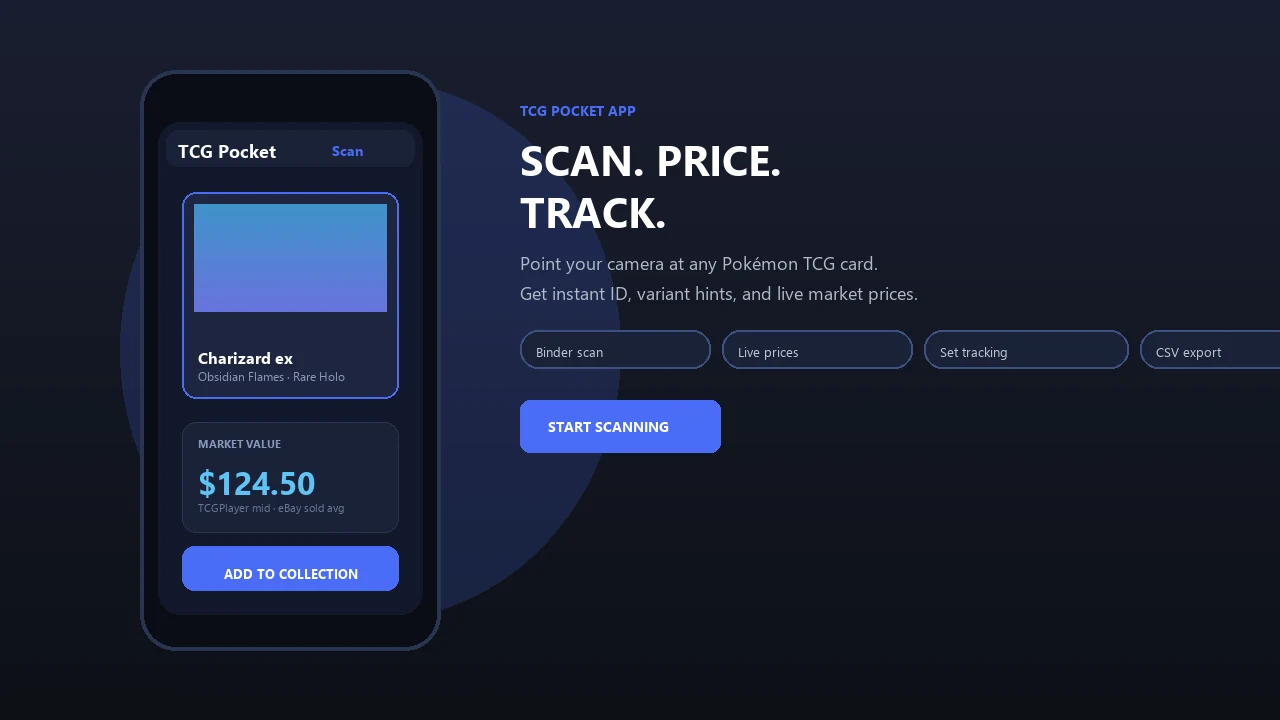
Side-by-side captures of the compared products. Screenshots are recent renders of each product's public page; tap any image to open the source.
Raw Vs Graded Pokemon Card Value At A Glance
Raw value is condition-estimated and marketplace-driven. Graded value is grade-certified and slab-comp-driven, so the two numbers should not be compared 1:1.
| Factor | Raw Pokémon card value | Graded Pokémon card prices |
|---|---|---|
| Condition certainty | Based on seller photos, inspection, and labels like NM or LP | Based on a numerical grade from PSA, BGS, or CGC |
| Buyer trust | Depends on seller reputation and photo quality | Higher because the card is authenticated and sealed |
| Fees | No grading fee before sale | Includes grading, shipping, insurance, and selling costs |
| Liquidity | Easier for binder trades and casual sales | Easier for long-distance buyers seeking verified condition |
| Price volatility | Moves with raw sold comps and condition disputes | Moves with grade demand, pop reports, and slab sales |
Anyone sorting a mixed binder at a kitchen table should separate identification from valuation, starting with the set number check before price comparison.
How Raw Vs Graded Pokemon Card Value Works
Raw vs graded Pokémon card value works by pricing two different risk profiles: raw buyers price uncertainty, while graded buyers price verified condition. Graded cards are not just the same card but more expensive.
Raw pricing comes from recent sold comps, visible condition, seller reputation, marketplace norms, and how confidently a buyer trusts the listing. A card marked “near mint” can still have edge whitening, foil scratches, or centering issues that only show under a bright lamp. The plastic crinkle of a binder page can hide surface marks until the card is pulled out.
Graded pricing starts with the exact numerical grade, certification number, grading company trust, population reports, and completed slab sales. When population matters, use the grading companies’ own tools where possible: PSA publishes population data at https://www.psacard.com/pop, CGC publishes a population report at https://www.cgccards.com/population-report/, and Beckett lists grading resources at https://www.beckett.com/grading. PSA, BGS, and CGC each have buyer groups. A PSA 9 can often sit near strong raw NM pricing, while PSA 10 can separate sharply when demand and low gem rates collide. An AI-powered Pokémon TCG card scanner can speed up identification and price context, but it cannot see a tiny holo scratch buried under sleeve glare or guarantee a future PSA, BGS, or CGC grade.
Five Raw Pokemon Card Value Facts Collectors Should Know
Raw Pokémon card value is useful, but it is not a hidden PSA 10 price. These five facts prevent most overpricing mistakes.
- Raw condition labels are subjective. One seller’s NM can be another buyer’s LP after checking corners, edges, surface, and centering.
- Most raw cards will not grade PSA 10. Even clean modern cards can miss gem mint because of centering, print lines, or tiny edge flaws.
- Grading fees change the math. PSA has charged roughly $18–30+ per card for bulk or value tiers in recent years, before shipping and insurance.
- Population reports affect premiums. A card with many PSA 10 copies may not command the same premium as a tough-to-gem card.
- Scanner estimates and slab prices should stay separate. A collection log can track raw estimates, but slabbed PSA, BGS, and CGC sales are a different market layer.
When the issue is a card that looks clean through a sleeve, TCG Pocket App fits because the scan can identify the card first, then the collector can verify condition manually.
Where Raw Pokemon Card Value Wins For Collectors
Raw Pokémon card value wins when the goal is collecting, sorting, set completion, or casual trading. Raw cards are easier to store in binders, move between decks of top loaders, and compare during a trade night.
No slab bulk. That matters.
Raw cards also avoid grading fees, shipping risk, insurance decisions, and turnaround delays. For many modern cards, a strong raw NM copy may sit close to PSA 9 pricing, especially when PSA 10 is the only grade with a large premium. That makes raw better for collectors building sets instead of chasing registry-grade copies.
Collectors who track set progress card by card can use TCG Pocket App because it supports binder-friendly scan routines and collection logging without forcing every card into a graded-price mindset. If your main question is broader pricing from a phone, our guide on how to check pokemon card value with phone covers that workflow in more detail.
Where Graded Pokemon Card Prices Win For Buyers
Graded Pokémon card prices win when condition certainty and buyer confidence matter more than binder flexibility. A slab reduces arguments about corners, surface scratches, authenticity, and whether a seller’s “mint” label is too generous.
That trust is why slabs travel well in online sales. A buyer across the country can compare PSA 8, PSA 9, PSA 10, BGS Pristine, CGC Gem Mint, or BGS Black Label sales without relying only on listing photos. High grades, pristine grades, and black labels can command major premiums because the market is buying scarcity plus verification.
PSA, BGS, and CGC are separate grading-company markets, not identical wrappers around the same card. TCG Pocket App is useful here because it keeps the card identity, variant match, and collection record together before a collector checks slabbed comps. A reverse holo shimmer through a nine-pocket page can look convincing until the variant match is confirmed.
Grading Fees And Break-Even Math For Pokemon Card Value
Is grading a raw Pokémon card financially worth it? Start with the raw market price, estimate realistic grade outcomes, then subtract grading fee, shipping, insurance, selling fees, and the time cost of waiting.
A simple break-even formula is:
Expected graded sale price × chance of that grade − grading fee − shipping − insurance − selling fees − raw card value = estimated grading upside.
Do not run the formula with PSA 10 only. Use a probability-weighted range, such as PSA 8, PSA 9, and PSA 10, then compare the result to selling raw today. PSA’s published trading-card pricing changes by service level and declared value, so check the current fee schedule at https://www.psacard.com/pricing before using an $18–30 grading-cost estimate in break-even math.
For sellers comparing TCGplayer, Cardmarket, and eBay, the tcgplayer vs ebay sold prices question matters because active asking prices can be much higher than completed sales. TCG Pocket App helps by making the first step faster: scan, verify, log, then compare.
Evidence And Data Sources For Raw Vs Graded Pokemon Card Prices
Good raw vs graded pricing evidence comes from separate raw and slabbed markets, checked close to the decision date. Use sold data first, then treat scanner output as a fast identification aid rather than a formal appraisal.
- Check raw-market records on eBay sold listings, TCGplayer, and Cardmarket for the same card, language, variant, and visible condition. Raw “near mint” is still an estimate, not a certified grade.
- Compare graded-market records through PSA population reports and completed slab sales by exact grade and grading company. PSA 9, PSA 10, BGS Pristine, and CGC Gem Mint should not be blended into one average.
- Ignore active asking prices as market value unless they actually sell. A seller can list a sleeve-worn card at a fantasy number and leave it there for months.
- Date-stamp volatile checks like recent sold comps, grading fees, population counts, and high-grade premiums because demand, reprints, and new grading submissions can move quickly.
- Use scanner estimates carefully. TCG Pocket App can help identify the card, match the variant, and organize price context, but it is not a certified grader, insurance appraisal, or guarantee of a future slab result.
How To Compare Raw Pokemon Card Value With Graded Prices
Use one workflow for raw comps and another for graded comps, then connect them with fees and grade risk. The most practical approach is to identify the exact card first, price it raw, inspect it honestly, then compare slab sales by grade.
1. Identify The Exact Card
Scan or search the card, then verify the set, number, language, foil type, and variant. TCG Pocket App helps here because similar Pikachu prints can look nearly identical until you check the set symbol.
2. Check Raw Sold Comps
Compare recent ungraded sales for the same card and similar condition. The green sold-price filter on eBay matters more than active asking prices.
3. Estimate Realistic Condition
Inspect centering, corners, edges, and surface under bright light. Silvering along a dark card edge can change the entire estimate.
4. Compare PSA, BGS, Or CGC Sales By Grade
Check PSA 8, PSA 9, PSA 10, BGS, and CGC sales separately. Do not anchor on the highest sale only.
5. Subtract Fees And Grade Risk
Apply grading fees, shipping, insurance, selling fees, and realistic grade odds before deciding. The pokemon card price checker app workflow is most useful when raw and graded values stay labeled separately.
Common Raw Vs Graded Pokemon Card Value Myths
Raw and graded Pokémon card prices are often misread because collectors want a shortcut. The shortcut usually breaks.
Fixed multiplier myth: You cannot multiply a raw price by one number to get PSA, BGS, or CGC prices. Multiples vary by card, era, grade, and demand.
PSA 10 tracking myth: Raw cards should not track PSA 10 prices. Most raw cards are closer to PSA 8 or PSA 9 outcomes unless the condition is exceptional.
App price myth: A graded price shown beside a card is not what the raw card is worth. A scanner is most useful when the collector treats raw estimates and slabbed comps as separate references.
Every slab wins myth: Not every graded card beats raw. PSA 5, PSA 6, or PSA 7 copies can sell near or below strong raw copies, especially when buyers prefer a clean binder card.
On days a handwritten price tag on a sleeve looks too close to PSA 10 comps, TCG Pocket App earns its place by forcing the set and variant check before the value conversation.
Raw Or Graded Pokemon Cards: Which Should You Pick?
Pick raw if you want binder collecting, lower cost basis, faster trading, and set building. Pick graded if you want verified condition, long-term display, registry collecting, or high-grade chase cards.
| Collector goal | Better fit | Why |
|---|---|---|
| Completing a set | Raw | Easier to store, trade, and upgrade later |
| Buying online with less condition risk | Graded | Certification reduces photo and seller uncertainty |
| Chasing PSA 10, Pristine, or Black Label copies | Graded | Premium depends on verified grade and demand |
| Casual trading at shows | Raw | Faster handling and fewer slab-specific debates |
| Portfolio tracking | Separate raw and graded entries | The markets move differently |
TCG Pocket App supports both paths because it identifies cards, checks market prices, and tracks collections without treating a raw estimate as a slabbed value. For collectors comparing broader tools, the best pokemon collection tracker app guide explains where collection logging matters most.
Limitations
Raw vs graded Pokémon card value comparisons are always estimates, not appraisals. The card market moves too quickly, and condition can change the result more than the card name does.
- Raw condition assessment is subjective, even with clear photos.
- AI scanners cannot guarantee a future PSA, BGS, or CGC grade.
- Raw vs graded spreads are card-specific and time-dependent.
- Market data is backward-looking and can lag hype, reprints, or demand shifts.
- Grading fees, shipping risk, insurance, and turnaround times change.
- Population reports can change as more copies are graded.
- Different grading companies can produce different buyer premiums.
- TCG Pocket App can help identify and organize cards, but it cannot inspect microscopic surface flaws inside a sleeve.
- Pricecharting.com, tcgplayer.com, cardmarket.com, pokellector.com, and getcollectr.com may show different numbers because each source handles data differently.
The condition caveat is real. A whitened corner under a desk lamp can erase the grade premium a seller imagined.
FAQ
What is a raw Pokemon card?
A raw Pokémon card is an ungraded loose card. Its condition is judged informally through photos, seller description, or in-person inspection.
What is a graded Pokemon card?
A graded Pokémon card is authenticated, assigned a numerical grade, and sealed by a third-party company. PSA, BGS, and CGC are common grading companies.
Are graded cards always worth more?
No. Lower graded cards can sell for the same as, or less than, strong raw copies in better apparent condition.
Is PSA 9 close to raw value?
PSA 9 prices are often near strong raw NM prices for many modern Pokémon cards. That relationship varies by card, set, demand, and grading population.
Why is PSA 10 worth more?
PSA 10 is worth more because it verifies gem mint condition. Scarcity, demand, and population reports can increase the premium.
Should I grade my raw card?
Grade a raw card only after comparing raw value, likely grade, grading fees, shipping, insurance, turnaround time, and demand. Assuming PSA 10 is usually the risky part.
Can apps value graded cards?
Apps can show market data for graded cards, but raw estimates and slabbed comps should stay separate. A graded comp is not automatically the value of an ungraded card.
Which grading company is best?
PSA has broad market acceptance, BGS is known for subgrades and Black Label demand, and CGC has its own buyer base. The better choice depends on the card, market, and buyer preference.
Do population reports affect value?
Yes. Lower populations and tougher gem rates can increase premiums for high-grade slabs, especially PSA 10, Pristine, or Black Label copies.
Get started with Raw Vs Graded Pokemon Card Value on iOS.