
Can AI Grade Pokémon Cards Like PSA, BGS, or CGC?
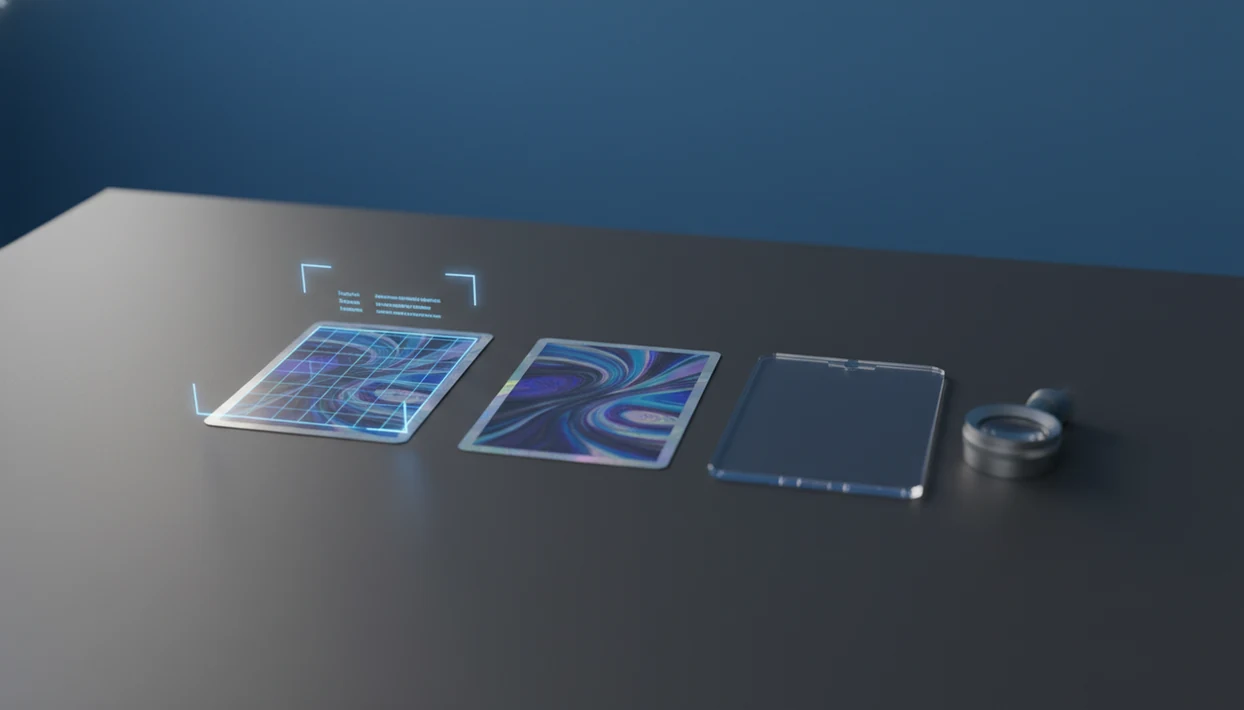
If you're asking can AI grade pokemon cards, AI can estimate visible condition from photos, but it cannot issue an official professional grade, certify authenticity, or replace physical inspection by PSA, BGS, or CGC.
Definition: AI Pokémon card grading is a photo-based condition estimate that analyzes visible traits like centering, corners, edges, and surface wear, while professional grading is a physical authentication and certification process performed by recognized grading companies.
- AI can produce a Pokémon card grade estimate, not an official PSA, BGS, or CGC grade.
- Professional grading still requires physical submission, expert inspection, authentication checks, and encapsulation.
- Use AI estimates to sort your binder, prioritize submissions, and track collection value, not to guarantee resale grade.
AI Pokémon card grading at a glance
AI Pokémon card grading can estimate condition from images, but it cannot create an official slabbed grade. PSA, BGS, and CGC grades require the physical card, not only a front-and-back photo.
A good estimate can still be useful. It helps you triage raw cards before paying grading fees, especially when a binder has mixed condition across holos, reverse holos, and older commons. We still check the set number in the lower-left corner before trusting any price or grade match.
A scanner app can fit this early workflow by identifying cards, checking market prices, and tracking a collection. Treat any condition estimate as a starting point, not the final word.
Binder sorting gets faster.
Five facts about AI card grading Pokémon collectors should know
- AI tools usually score visible centering, corners, edges, and surface condition from card photos.
- Most AI grading tools describe their output as pre-grading, predicted grading, or a condition estimate.
- Professional graders use physical review, controlled lighting, magnification, company standards, and verification steps.
- AI estimates can help collectors decide which cards may be worth professional submission.
- Lighting, camera quality, card angle, hidden defects, sleeves, glare, and alterations can change the result.
Ring-light glare bouncing off a reverse holo through a nine-pocket binder page can make a clean surface look worse, or hide a scratch entirely. That is why scanner results should be paired with a manual check. For deeper pricing context, the same caution applies to whether are pokemon card scanner prices accurate.
How AI card grading Pokémon tools work
AI card grading Pokémon tools use computer vision to identify a card and detect visible condition signals in the image. The system may compare image embeddings, which are mathematical summaries of a photo, against labeled examples or learned defect patterns.
In plain terms, the model is looking for visual clues. It may flag off-centering, corner whitening, edge wear, print defects, or surface marks if the photo captures them clearly. Controlled visual inspection tasks can perform well, and some automated defect-recognition studies report very high accuracy in controlled settings.
Collector photos are messier. A phone shadow, tilted slab reflection, or plastic crinkle from scanning a sleeved card can change the input. AI systems also inherit the standards, subjectivity, and dataset bias of their training data.
AI grade estimate versus PSA, BGS, and CGC card grade
An AI grade estimate is based on photos; a PSA, BGS, or CGC grade is based on physical inspection and certification. Buyers, auction houses, insurers, and marketplaces treat recognized slabbed grades differently from app estimates.
For official grading, PSA, Beckett, and CGC describe grading as a submitted-card certification service, not an image-only estimate (PSA: https://www.psacard.com/services/tradingcardgrading; Beckett: https://www.beckett.com/grading; CGC Cards: https://www.cgccards.com/card-grading/).
| Comparison point | AI grade estimate | PSA, BGS, or CGC grade |
|---|---|---|
| Evidence type | Phone photos or uploaded images | Physical card inspection |
| Card access | Front and back images only | Card in hand |
| Authentication | May flag visual concerns | Formal authentication process |
| Grade authority | Informational estimate | Market-recognized grade |
| Resale use | Helpful context for raw cards | Used in slab listings and comps |
| Encapsulation | No slab | Tamper-evident holder |
The difference matters most when comparing raw versus graded value. A raw holo compared to slab price is not a clean match unless the condition, authenticity, and grading risk are accounted for. The PSA vs BGS vs CGC for pokemon cards debate is really about standards, market trust, and buyer preference.
Pokémon card grade estimate use cases for collectors
A Pokémon card grade estimate is useful when it helps organize raw cards, not when it pretends to certify them. The Pokémon Company reports more than 64.8 billion Pokémon cards produced worldwide, which helps explain why collectors want faster condition and value tools (https://corporate.pokemon.co.jp/en/aboutus/figures/).
- Binder triage: Sort raw cards into likely near mint, lightly played, and damaged groups before deeper review.
- Submission planning: Use estimates to decide which cards deserve closer inspection before grading fees.
- Copy comparison: Compare duplicates of the same card when one has better centering or cleaner corners.
- Scanner workflow: Pair estimates with live market prices and collection tracking for practical logging.
An AI-powered Pokémon TCG card scanner, live market prices, and pocket-sized collection management app deliver faster identification and organization, not official authentication or guaranteed resale grades. For collectors, AI estimates are often better for pre-sorting than final pricing because the output lacks certification.
Common myths about AI grading Pokémon cards
Does an AI PSA 10 estimate mean my card will get a PSA 10? No. It means the photo resembles cards the model associates with high condition, not that PSA will assign that grade.
Another myth is that human graders are obsolete. Professional grading still depends on physical inspection, authentication, magnification, controlled lighting, and company-specific standards. Software objectivity does not remove grading subjectivity; it only applies a model’s learned pattern consistently.
Buyers also do not treat AI estimates like slabbed grades. A seller can mention an estimate, but serious buyers usually ask for raw photos, recent sold listings, or recognized slabs. The green sold-price filter on eBay tells a different story than active asking prices.
AI cannot see defects the camera failed to capture. If a subtle dent, surface scratch, or alteration is invisible in the photo, the estimate may miss it. For related authentication boundaries, read can pokemon card scanner detect fakes.
When to Use Professional Grading or Authentication
Use professional grading or authentication when the decision depends on market trust, not just quick sorting. PSA, BGS, and CGC are the better path for high-value resale, insurance documentation, or any situation where a buyer expects a recognized slab.
AI is still useful before that point, especially when you are deciding which raw cards deserve closer manual review. It should not be used as proof in disputes, auction descriptions that imply a slab-equivalent grade, or claims that a raw card is “basically a 10.” If a card shows possible trimming, recoloring, pressing, counterfeit print signs, or other alteration clues, get a physical authentication review instead of relying on a photo estimate.
- Separate cards with meaningful resale value, rare variants, or large raw-to-graded price gaps.
- Inspect each candidate outside sleeves and top loaders under clean, angled light.
- Flag anything with suspicious borders, odd texture, inconsistent gloss, or unusual cut quality.
- Submit cards physically when hidden surface wear, dents, or authenticity concerns could change the outcome.
- Use AI estimates only to prioritize the stack, not to replace the grader’s final authority.
Trust boundary for AI card grading apps
Use scanning software for card identification, market price checks, and collection tracking. AI condition information belongs as a convenience layer for managing raw cards, not as certification.
The app should not be presented as an official Pokémon, PSA, BGS, or CGC grading authority. It can help a collector scan, verify, log, compare, and export collection data, but a professional grade still comes from a recognized grading company after physical submission.
That boundary protects collectors. If a scan confuses two similar Pikachu prints until the set symbol is verified, the same caution should apply to condition estimates. Condition tools usually work best when paired with sold-listing context, while professional grading fits cards where authentication, resale trust, or long-term storage matters. The pricing side is covered in How Condition Affects Pokemon Card Price.
Limitations
AI Pokémon card grade estimates have real limits, especially when photos are taken quickly at a shop, show, or trade night.
- Photo quality, lighting, glare, angle, sleeves, and camera resolution can distort results.
- Hidden scratches, micro-indents, dents, surface texture issues, and edge wear may not appear in normal photos.
- AI cannot reliably detect all alterations, including trimming, pressing, recoloring, or sophisticated restoration.
- Training data may be skewed by era, language, rarity, card finish, or grading-company standards.
- AI estimates have no official standing in disputes, insurance claims, auction listings, or slab population data.
- No major professional grading company accepts image-only AI estimates as a substitute for physical submission.
- A card scanned in a top loader may look cleaner than it does under direct inspection.
Small flaws decide big outcomes.
For privacy and photo-handling questions, collectors should also understand pokemon card scanner privacy before uploading valuable collection images.
FAQ
Can AI grade Pokémon cards?
AI can estimate visible Pokémon card condition from photos. It cannot issue an official PSA, BGS, or CGC grade.
Is AI grading accepted by PSA?
PSA requires physical card submission for official grading. Third-party image-only estimates are not PSA grades.
Can AI predict a PSA 10?
AI may estimate that a card appears high grade. It cannot guarantee a PSA 10 result.
Is AI card grading accurate?
Accuracy depends on image quality, training data, visible defects, and the grading standard being predicted. Hidden flaws can reduce reliability.
Can AI detect fake Pokémon cards?
AI may flag visual concerns on a card. It cannot replace professional authentication of the physical card.
Can AI see surface scratches?
AI can only detect scratches visible in the submitted photos. Subtle surface flaws often need magnification and angled lighting.
Should I submit a card based on an AI grade estimate?
AI estimates can help prioritize submissions. The final decision should consider card value, grading fees, condition risk, and resale goals.
Do buyers trust AI grades?
Buyers may find AI estimates useful for context. Most place more market trust in recognized slabbed grades.
What affects AI grade estimates?
Lighting, angle, camera quality, glare, card orientation, sleeves, and hidden defects affect estimates. Clean front-and-back photos improve consistency.